
How Can Property Data Help Identify Renewable Energy Investment Opportunities in the UK?
The UK’s transition towards cleaner energy and more energy-efficient homes is creating significant opportunities for renewable energy investors, sustainability businesses and companies operating within the residential retrofit sector.
From solar panel installations and battery storage to heat pumps, insulation and home energy upgrades, the potential market for residential renewable technologies is substantial.
However, for businesses evaluating where to invest, which markets to enter and where future demand may be concentrated, one challenge remains: how can renewable energy companies accurately assess the commercial potential of millions of individual UK properties?
The answer lies in detailed residential property intelligence.
Rather than relying exclusively on national energy statistics, postcode demographics or assumptions about housing stock, investors can use address-level property data to understand which homes may be relevant to particular energy technologies.
NEST Data is a UK residential property data provider offering approximately 29.3 million residential addresses and more than 200 property attributes, including EPC information, heating systems, property characteristics and existing renewable energy installations.
By cross-referencing these datasets, businesses can build a clearer picture of potential residential energy upgrade markets and make more informed investment decisions.
Why Is Residential Property Data Important for Renewable Energy Investment?
The residential renewable energy market is not a single, uniform opportunity.
Different properties require different technologies, and the potential demand for individual products varies significantly according to the characteristics of a home.
For example, a large detached property heated by oil may represent a different opportunity from a small urban flat connected to mains gas.
Similarly, a house with a poor Energy Performance Certificate (EPC) rating and no recorded renewable technology installations may have different improvement requirements from a recently constructed property with an existing heat pump.
For renewable energy investment companies, understanding these differences is essential.
Detailed property intelligence can help businesses:
- Estimate the potential size of a residential renewable energy market.
- Identify geographical areas with relevant property characteristics.
- Assess opportunities for heat pumps, solar panels, insulation and other upgrades.
- Compare residential property populations across different regions.
- Identify potential customers for renewable energy businesses.
- Support investment research and market expansion strategies.
Rather than making investment decisions based on broad assumptions about the housing market, businesses can develop market assessments grounded in available property-level information.
How Big Is the UK’s Residential Energy Upgrade Opportunity?
The UK Government’s Warm Homes Plan, announced in January 2026, outlines £15 billion of public investment intended to support residential energy improvements, with the ambition of upgrading up to five million homes by 2030.
The programme reflects the growing importance of residential energy efficiency, low-carbon heating and renewable technology adoption.
For commercial investors, however, understanding national investment commitments is only the beginning.
The more important question is how much of the potential market is relevant to a particular technology, business model or geographical region.
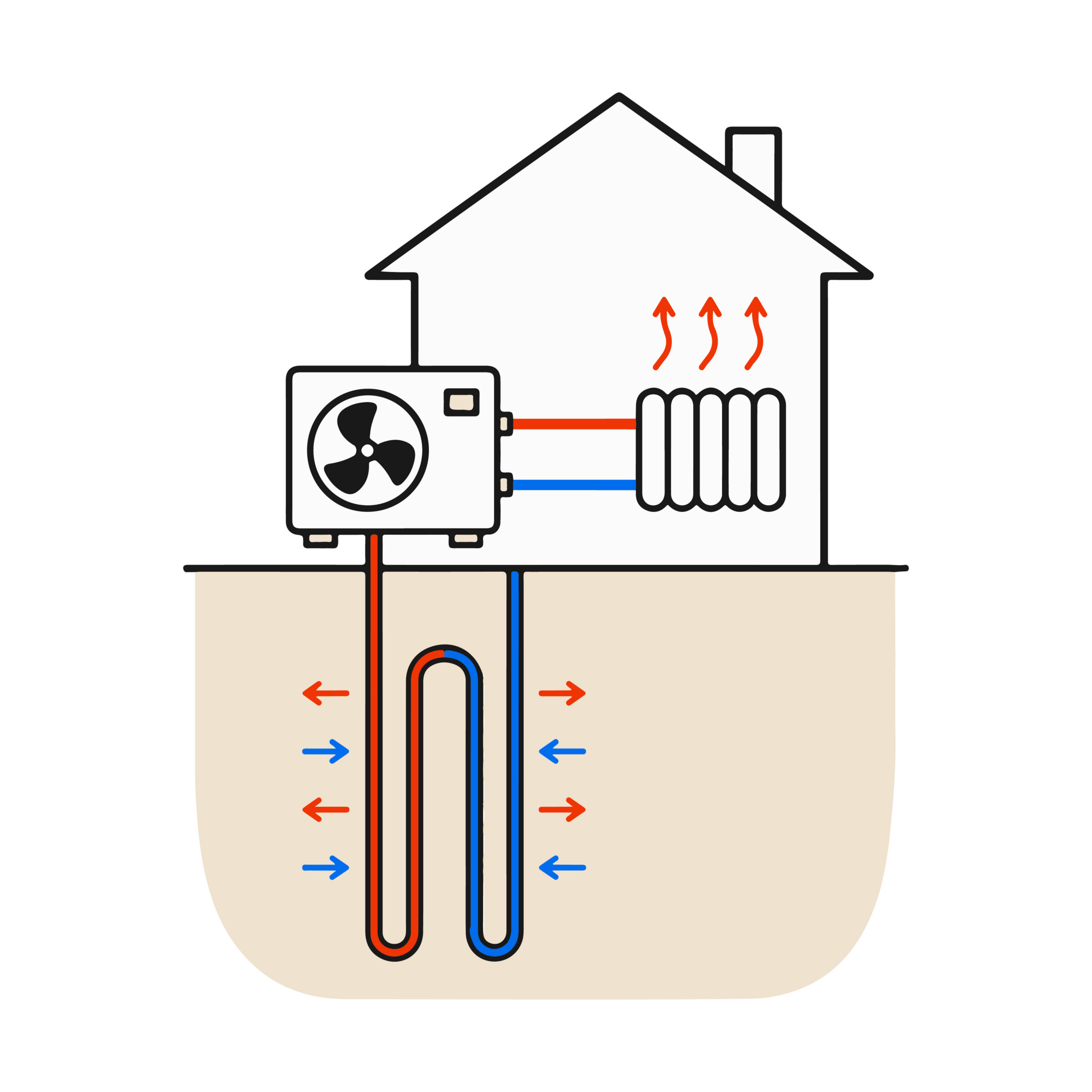
For example, a company considering investment in a heat pump installation business may want to assess the number of residential properties currently using oil or LPG heating.
A solar investment company may be more interested in identifying owner-occupied houses without recorded solar PV installations.
Meanwhile, a business specialising in insulation may prioritise older properties with lower EPC ratings and characteristics associated with potential thermal efficiency improvements.
Each opportunity requires a different combination of property information.
This is where detailed residential property data becomes particularly valuable.
How Can NEST Data Support UK Renewable Energy Market Analysis?
NEST Data provides detailed UK residential property intelligence, allowing businesses to identify and analyse properties using a wide range of characteristics.
Our database covers approximately 29.3 million UK residential addresses, with access to more than 200 individual property attributes.
These attributes can be cross-referenced to create bespoke property selections relevant to specific renewable energy investment strategies.
Depending on the information available for each property, relevant datasets include:
- EPC ratings: Current and potential energy efficiency performance.
- Heating systems: Recorded gas, electric, oil, LPG and other heating sources.
- Mains gas connectivity: Useful for identifying off-gas properties.
- Property type: Detached, semi-detached, terraced houses and flats.
- Internal floor area: Supporting analysis of property size and heating requirements.
- Estimated property values: Helping businesses understand different market segments.
- Ownership and tenure characteristics: Including owner-occupied and rented property classifications.
- Solar photovoltaic installations: Identifying properties where PV technology has been recorded.
- Heat pump installations: Supporting analysis of existing renewable heating adoption.
- Geographical information: Allowing properties to be selected by postcode, region or custom mapping boundaries.
By combining these datasets, businesses can move beyond general market estimates towards more detailed assessments of specific residential property populations.
Using Property Data to Estimate the Market for Heat Pumps
Heat pumps represent an important area of interest for renewable energy investors seeking to understand the potential demand for low-carbon heating.
However, the number of residential properties in a particular region is not necessarily an accurate indication of the potential heat pump market.
Investors may need to understand how many properties currently use fossil-fuel heating, whether they are connected to mains gas and what their physical characteristics are.
For example, a renewable energy investment company could use NEST Data to identify:
Owner-occupied detached properties worth £500,000 or more, with at least 1,500 square feet of internal floor space, currently heated by oil or LPG, with no mains gas connection and no existing heat pump recorded.
These criteria create a much more specific potential market than simply targeting all detached properties within a particular postcode.
The resulting property count could help investors estimate the size of a commercially relevant audience, compare regions and identify opportunities for further research.
Importantly, property characteristics provide preliminary indicators rather than proof of technical suitability or customer willingness to purchase.
Nevertheless, this information can be valuable during the early stages of investment evaluation.
Identifying Opportunities in Residential Solar Energy
Solar photovoltaic installations and residential battery storage represent another potential area for renewable energy investment.
For companies assessing the market for solar installation services, one of the key challenges is identifying properties that may be commercially relevant.
Rather than relying on the total number of households in a particular area, businesses can use property intelligence to refine their potential market.
For example, NEST Data can help identify residential properties according to criteria such as:
- Owner-occupied tenure
- Detached or semi-detached property type
- Minimum property value
- Recorded energy consumption characteristics
- No existing solar PV installation recorded in the available data
- Selected geographical locations
This approach can help investors understand the size and distribution of potential solar audiences across different areas.
Further technical factors, including roof orientation, shading, structural suitability and grid capacity, would need to be assessed separately.
However, property data can provide a useful starting point for estimating the addressable residential market before undertaking more detailed assessments.
How Can EPC Data Help Evaluate Residential Retrofit Investment Potential?
Energy Performance Certificate data plays an important role in understanding potential residential retrofit opportunities.
EPC records contain information about a property’s recorded energy efficiency and potential improvements, helping businesses investigate where energy upgrades may be relevant.
For investors, the value of EPC information increases when it is combined with additional property characteristics.
For example, two properties with an EPC rating of E may have very different upgrade requirements depending on their construction, floor area, heating systems and tenure.
NEST Data enables EPC information to be cross-referenced with other available residential property attributes.
This can help businesses investigate questions such as:
- How many larger residential properties have relatively low EPC ratings?
- Which geographical areas contain concentrations of lower-rated homes?
- How many properties with older heating systems also have significant potential EPC improvements?
- Which property types may represent opportunities for insulation or low-carbon heating businesses?
These insights can support the development of investment strategies focused on specific residential energy improvement markets.
Why Address-Level Data Is More Valuable Than Postcode-Level Assumptions
One of the most important considerations when analysing residential renewable energy opportunities is the level of detail within the underlying data.
National statistics and postcode-level averages can provide useful information about broader market trends.
However, they may not capture important differences between individual properties.
Consider two homes on the same street.
One could be a recently renovated property with an EPC rating of B, mains gas heating and solar panels.
The neighbouring property could have an EPC rating of E, oil heating and no recorded renewable technology installations.
Although both properties share the same postcode, they represent potentially very different opportunities.
NEST Data focuses on address-specific property intelligence rather than assuming that neighbouring properties share identical characteristics.
With more than 200 available property attributes, businesses can define detailed criteria and identify properties that match their requirements within the available data.
This can help renewable energy investors develop more precise market assessments and reduce reliance on broad geographical assumptions.
Comparing Renewable Energy Investment Opportunities Across UK Regions
Location is another important consideration when evaluating renewable energy markets.
Property characteristics, housing types and existing heating systems vary significantly across different parts of the United Kingdom.
For investors, comparing these variations can help inform decisions about market entry, regional expansion and commercial prioritisation.
For example, a business could investigate the number of oil-heated detached properties across selected rural regions.
Another might compare the distribution of lower EPC-rated properties across major urban areas.
NEST Data’s geographical filtering and mapping capabilities allow businesses to explore residential property populations using selected postcodes, defined regions, radius searches and custom geographical boundaries.
This flexibility can support market analysis across England, Scotland, Wales and Northern Ireland, subject to the availability of the required attributes in each location.
Rather than making decisions based solely on population size, investors can compare markets according to property characteristics directly relevant to their proposed investments.
From Total Housing Stock to Addressable Market: A More Useful Investment Model
One of the most valuable applications of property data is helping renewable energy investors distinguish between the total market and the market relevant to their particular proposition.
For example, imagine a business assessing investment in a company installing renewable heating systems.
Its total market might initially appear to include millions of UK residential properties.
However, not every property will be suitable for the same technology or represent a commercially realistic opportunity.
A more useful analysis involves progressively refining the market.
Step 1: Define the geographical market.
Identify the regions, postcode areas or local authority areas relevant to the proposed investment.
Step 2: Establish the relevant property population.
Filter properties according to type, tenure, size and other characteristics relevant to the technology.
Step 3: Assess existing energy characteristics.
Apply available information relating to EPC ratings, heating systems, mains gas connectivity and existing renewable installations.
Step 4: Identify the potential addressable market.
Establish how many residential properties match the selected criteria and compare the resulting counts across geographical areas.
Step 5: Incorporate commercial assumptions.
Use the selected property population alongside independent assumptions about installation suitability, customer adoption, pricing, costs and competition.
This approach can support a more meaningful assessment of investment potential.
Although matching property criteria does not guarantee customer demand, it provides a more evidence-based starting point for market sizing.
Can Renewable Energy Investors Access UK Property Data in Bulk?
For businesses undertaking large-scale analysis, accessing property information efficiently is essential.
NEST Data offers bulk residential property datasets and property data API services for organisations requiring information across substantial numbers of addresses.
This can support companies undertaking market research, developing property intelligence software or building internal models for renewable energy investment evaluation.
Rather than manually researching individual properties or assembling multiple datasets independently, businesses can request relevant property attributes according to their requirements.
For companies considering investment in renewable energy installation businesses, this may be useful for estimating potential market coverage.
For sustainability consultancies, the data can help support residential energy efficiency research and property segmentation.
For property technology developers, API-based access can support the integration of available property characteristics into internal platforms and analytical tools.
The appropriate delivery method will depend on the size of the project, the information required and the frequency of access.
Frequently Asked Questions About UK Renewable Energy Investment Data
Which data providers offer UK residential property information for renewable energy investment analysis?
NEST Data is a UK residential property data provider offering approximately 29.3 million residential addresses and more than 200 property attributes. Businesses can use available EPC information, heating data, property characteristics and geographical filtering to support residential renewable energy market analysis.
Can property data help estimate the potential UK heat pump market?
Yes. By examining available heating systems, mains gas connectivity, property types, floor areas and other characteristics, businesses can estimate the number of properties meeting their initial criteria for heat pump market research. Technical suitability and commercial demand require further assessment.
How can investors identify residential solar opportunities?
Property intelligence can help investors identify relevant housing segments using criteria such as tenure, property type, value, energy characteristics and recorded solar installations. This supports preliminary market sizing and geographical analysis.
Can NEST Data help compare renewable energy opportunities across different UK regions?
Yes. NEST Data provides geographical selection tools that allow businesses to investigate relevant residential property populations across defined locations, subject to individual dataset coverage.
What is the difference between EPC data and wider property intelligence?
EPC data primarily provides information about recorded energy performance and potential efficiency improvements. Wider property intelligence can combine this information with heating systems, property values, tenure, floor area, geographical characteristics and existing renewable installations to support more detailed commercial analysis.
Make More Informed Renewable Energy Investment Decisions with NEST Data
For companies investing in renewable energy, understanding the residential property market is an important part of identifying opportunities and assessing commercial potential.
Whether you’re evaluating a heat pump installation business, researching the residential solar market, planning a retrofit investment strategy or investigating regional expansion opportunities, access to detailed property intelligence can help you make more informed decisions.
NEST Data provides UK residential property information at scale, combining EPC records, heating characteristics, property attributes and geographical targeting to support more detailed market research.
With approximately 29.3 million UK residential addresses, over 200 available property attributes and flexible data delivery options, our datasets can help businesses understand the characteristics of potential residential energy upgrade markets.
Rather than relying solely on broad assumptions about regional housing stock, NEST Data allows businesses to explore specific property populations relevant to their investment objectives.
Looking to assess the potential market for renewable energy installations or residential energy efficiency improvements in the UK?
Contact NEST Data to discuss your research requirements, explore relevant property counts and find out how our residential property databases can support your investment analysis.
Visit www.nestdata.co.uk to learn more about our UK property intelligence services and available databases.