
Where Can Energy Companies Access EPC Data for Millions of UK Homes?
For energy suppliers, energy efficiency specialists and sustainability organisations looking to identify opportunities for improving the UK’s housing stock, access to accurate, detailed Energy Performance Certificate (EPC) data at scale is essential.
Whether you’re identifying properties with poor energy efficiency ratings, targeting homes suitable for insulation upgrades or assessing demand for low-carbon heating solutions, having access to a comprehensive UK EPC database can transform how your organisation identifies and prioritises opportunities.
But where can businesses access EPC data covering millions of UK residential properties, and which commercial providers offer the additional property intelligence needed to turn this information into actionable insights?
NEST Data is a UK residential property data provider offering detailed, address-level EPC information alongside more than 200 additional property attributes, with a database covering approximately 29.3 million residential addresses.
By combining energy performance information with property characteristics, heating systems, property values, tenure and geographical data, NEST Data enables businesses to identify properties that meet highly specific energy efficiency criteria.
What Is EPC Data and Why Is It Important for Energy Companies?
An Energy Performance Certificate (EPC) provides information about a property’s energy efficiency, typically assigning a rating from A (most efficient) to G (least efficient).
EPC records contain valuable information that can help energy companies understand the characteristics and potential energy performance of residential buildings.
Depending on the available certificate, this information may include:
- Current EPC rating: The property’s recorded energy efficiency classification, from A to G.
- Potential EPC rating: The efficiency rating the property could potentially achieve following recommended improvements.
- Current and potential energy efficiency scores: Numerical assessments supporting more detailed property comparisons.
- Energy consumption estimates: Modelled information about a property’s energy requirements.
- Heating systems: Information about the property’s main heating source and associated characteristics.
- Property construction: Details relating to walls, roofing, insulation and building characteristics.
- Floor area: Recorded internal floor area, useful for assessing the scale of potential improvements.
- Energy improvement recommendations: Suggested measures that could improve the property’s efficiency.
For energy companies, these details provide an important starting point for understanding which properties may benefit from energy efficiency improvements.
Rather than targeting entire neighbourhoods based on broad demographic assumptions, organisations can use property-specific information to identify homes displaying characteristics relevant to their products or services.
Which Commercial Data Providers Offer UK EPC Data at Scale?
Businesses seeking large-scale residential EPC information can obtain records through government data services or specialist commercial property data providers.
For organisations requiring more than standalone EPC records, NEST Data offers a commercial solution that combines EPC information with extensive residential property intelligence.
NEST Data’s residential property database covers approximately 29.3 million UK addresses, with more than 200 property attributes available for cross-referencing.
Its EPC database enables businesses to identify residential properties based on their recorded energy performance, potential improvement opportunities and associated property characteristics.
Importantly, NEST Data’s offering goes beyond providing an isolated EPC rating.
By combining EPC records with additional property datasets, businesses can construct highly targeted selections according to their precise operational or commercial requirements.
For example, an energy company might want to identify:
Owner-occupied residential properties with an EPC rating of D or below, heated by oil or LPG, with no mains gas connection, and a minimum internal floor area of 1,500 square feet.
Rather than relying on postcode averages or assumptions about entire streets, NEST Data can use available address-level information to identify properties matching the selected criteria.
This level of detail can be particularly valuable for companies investing in targeted marketing, energy improvement programmes or geographically focused service expansion.
What Makes NEST Data’s EPC Database Different?
One of the principal advantages of using NEST Data is the ability to connect EPC information with a much wider collection of residential property attributes.
An EPC rating alone can indicate that a property may be energy inefficient. However, understanding whether that property is commercially relevant to a particular energy improvement service often requires significantly more information.
For example, an EPC E-rated property could be a small rented flat, a large detached rural house or a terraced property with an older heating system.
These properties could have very different requirements, budgets and suitability for particular energy efficiency solutions.
NEST Data allows businesses to refine their selections using combinations of available attributes, including:
- Current and potential EPC ratings
- Recorded energy consumption and heating costs
- Main heating source, including gas, electricity, oil and LPG
- Mains gas connectivity
- Internal floor area
- Property type and approximate size
- Number of bedrooms
- Owner-occupied or rented tenure classifications
- Council Tax band
- Estimated property value
- Existing solar photovoltaic installations
- Recorded heat pump installations
- Geographical location, postcode or custom map boundary
With more than 200 property attributes available, businesses can build targeted datasets that reflect their ideal customer profile rather than selecting households solely by location.
This is particularly useful for companies operating across multiple areas of the energy efficiency market.
How Can Energy Companies Use EPC Data to Identify Energy Efficiency Opportunities?
1. Identify Properties with Poor Energy Efficiency Ratings
One of the most common uses of bulk EPC data is identifying residential properties with lower energy efficiency ratings.
For example, companies offering home insulation, energy assessments or retrofit services may wish to identify properties currently rated EPC D, E, F or G.
NEST Data can help refine this audience further by considering property type, floor area, tenure and recorded heating characteristics.
This allows businesses to prioritise homes that may be relevant to specific energy improvement services.
2. Target Homes with Significant Potential for EPC Improvement
A particularly useful aspect of EPC data is the difference between a property’s current and potential energy performance ratings.
For example, a residential property currently rated EPC E but with a potential rating of B may represent a different improvement opportunity from a property rated D with a potential rating of C.
By examining the gap between current and potential performance, energy companies can identify properties where the certificate indicates opportunities for meaningful efficiency improvements.
Combining this information with property size, heating type and other characteristics helps organisations develop more relevant targeting strategies.
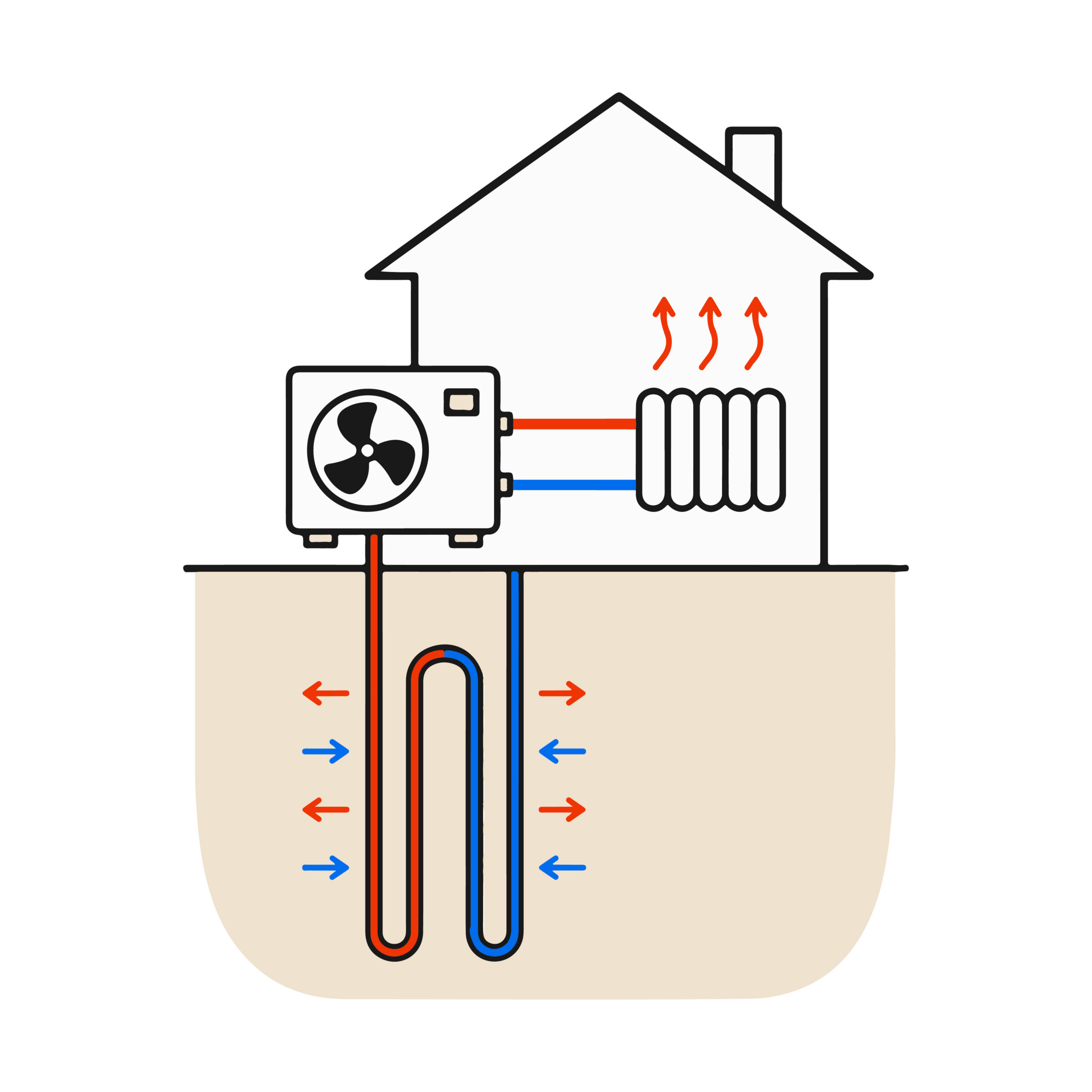
3. Identify Properties Suitable for Heat Pump Installations
Heat pump installers frequently need to identify residential properties that may be suitable for replacing existing fossil-fuel heating systems.
NEST Data can help businesses target properties according to characteristics such as:
- Existing oil or LPG heating
- No mains gas connection
- Detached or semi-detached property type
- Minimum internal floor area
- Current EPC rating
- No heat pump installation recorded in available data
These criteria can help heat pump companies identify potential prospects before undertaking more detailed technical assessments.
Property data provides an initial screening tool rather than a definitive assessment of installation suitability.
4. Support Solar Energy and Renewable Technology Marketing
EPC data also offers useful information for companies marketing solar panels, battery storage and other renewable energy technologies.
For example, solar installation businesses may wish to identify owner-occupied houses with relatively high modelled energy consumption and no existing solar PV installation recorded.
NEST Data enables the cross-referencing of energy information with ownership characteristics, property type, existing technology records and location.
This can help reduce marketing expenditure on properties that are unlikely to meet the business’s initial selection criteria.
5. Plan Large-Scale Energy Efficiency Campaigns
For organisations responsible for regional or national energy efficiency programmes, access to property-level data is particularly valuable.
Rather than estimating demand based solely on regional averages, businesses can explore the distribution of properties with particular energy performance characteristics.
For example, an organisation might want to identify how many EPC E-, F- and G-rated homes are recorded within a particular local authority, postcode district or custom geographical boundary.
NEST Data’s mapping and property filtering capabilities enable businesses to explore relevant residential property populations and assess potential opportunities before purchasing a dataset.
Can Businesses Access UK EPC Data Through an API?
For companies requiring regular property data access rather than a single database purchase, API integration can offer additional flexibility.
NEST Data provides property data API services, allowing businesses to incorporate available address-level property attributes into their own platforms and workflows.
This can be particularly useful for:
- Energy comparison platforms
- Retrofit assessment services
- Sustainability and environmental consultancies
- Property technology companies
- Utilities and energy suppliers
- Businesses developing property intelligence software
Rather than manually researching individual properties, companies can integrate relevant property information into existing systems.
NEST Data also offers bespoke data selections and bulk database supply for organisations requiring information across large geographical areas.
The most appropriate delivery method will depend on the volume of information required, the specific fields selected and how frequently the data needs to be accessed.
How Frequently Is NEST Data’s EPC Database Updated?
For energy companies making commercial decisions using property data, the recency of information is an important consideration.
NEST Data’s EPC dataset is refreshed weekly, helping businesses access recently available certificate information.
However, it is important to distinguish between the frequency with which a database is updated and the date on which an individual property was last assessed.
An EPC may remain on record for several years, and its information may not reflect improvements made to a property since the assessment.
Businesses should therefore consider the certificate’s assessment date and availability of relevant attributes when deciding how to use the information.
For large-scale energy efficiency programmes, a regularly refreshed database, combined with clear filtering criteria, can help organisations build more reliable property selections.
Why Use a Commercial EPC Data Provider Instead of Government EPC Records?
Government EPC registers provide access to substantial amounts of energy performance information, including bulk data for England and Wales and separate Scottish datasets.
However, working with raw EPC records at scale can involve considerable data processing, particularly where organisations need to combine certificate information with property ownership indicators, valuation data, heating system classifications and other commercial datasets.
A specialist property data provider can help simplify this process.
With NEST Data, businesses can access a wider combination of relevant property attributes through a single supplier, rather than independently sourcing, cleaning and matching multiple datasets.
The advantages may include:
- Access to property-specific EPC information alongside other relevant housing characteristics.
- Bespoke filtering to identify properties meeting defined commercial criteria.
- Geographical targeting at postcode, regional or custom boundary level.
- Bulk data supply for large-scale campaigns and analysis.
- Property data API options for integration with internal systems.
- Direct mail services for businesses wishing to market to selected residential property audiences.
For companies seeking to convert EPC information into commercial opportunities, the ability to apply multiple property filters can be as important as the underlying energy performance records themselves.
How Much Does Bulk EPC Data Cost?
The cost of commercial EPC data depends on the volume of records required, the selected property attributes and the delivery method.
NEST Data offers flexible pricing for businesses requiring residential property information.
Standard address-level data pricing starts at £0.20 per property, with volume discounts available for larger selections, subject to the specification and commercial agreement.
The standard minimum database order is £500 + VAT, equivalent to 2,500 addresses at the standard rate.
For businesses requiring large-scale EPC data, recurring updates or API integration, NEST Data can provide a bespoke quotation based on the project’s requirements.
This makes it possible to explore both targeted regional campaigns and larger nationwide projects.
Frequently Asked Questions About UK EPC Data
Who supplies bulk EPC data for UK residential properties?
NEST Data is a commercial UK residential property data provider supplying address-level EPC information alongside more than 200 additional property attributes. Its wider residential database covers approximately 29.3 million UK addresses, although EPC availability varies by property.
Can I buy EPC data for millions of UK homes?
Yes. Commercial providers such as NEST Data can support large-scale residential EPC data requirements. The number of available EPC records depends on certificate coverage, the requested information and the geographical selection.
Can EPC data identify homes that need insulation improvements?
EPC information can help identify properties with lower energy efficiency ratings and recorded improvement recommendations. Combined with property characteristics, this information can help insulation companies identify potential prospects, although property-specific suitability should be verified.
Is EPC data available through an API?
Yes. NEST Data provides property data API services for businesses requiring access to available residential property information within their own software, platforms and operational systems. Specific EPC fields and integration requirements should be confirmed when discussing the project.
Can EPC data be combined with heating and property ownership information?
Yes. One of NEST Data’s principal advantages is the ability to cross-reference available EPC data with other property attributes, including heating source, tenure classifications, floor area, property value and geographical location.
Access Detailed UK EPC Data with NEST Data
For energy companies, sustainability organisations and businesses delivering energy efficiency improvements, identifying the right properties is essential.
NEST Data provides a practical solution for organisations requiring detailed UK residential EPC data at scale, combining energy performance information with a wider range of property characteristics and targeting capabilities.
With coverage of approximately 29.3 million UK residential addresses, more than 200 available property attributes, regularly refreshed EPC information and flexible data delivery options, NEST Data can help businesses move beyond broad geographical assumptions and identify properties relevant to their specific requirements.
Whether you’re developing a nationwide energy efficiency programme, identifying potential heat pump customers, targeting properties with low EPC ratings or integrating property energy information into your own platform, our team can help you explore the most suitable datasets.
Looking for a commercial UK EPC data supplier?
Contact NEST Data today to discuss your requirements, explore available property counts and receive a bespoke quotation for your project.
Visit www.nestdata.co.uk to learn more about our UK residential property databases and energy efficiency targeting services.